 blog
blog
Roof Coating vs. Full Replacement: Cost & Durability
Table of Contents
- Roof Coating vs. Full Replacement: Key Differences
- Cost Comparison: Coating vs. Replacement
- Lifespan and Durability Expectations
- Commercial Roof Restoration Cost and ROI
- Does Roof Restoration Increase Commercial Property Value
- Roof Restoration vs. Replacement Insurance Coverage
- Structural Integrity, Substrate Condition, and Building Code Compliance
- How to Decide: Coating or Full Replacement
- Frequently Asked Questions
Last Updated: September 21, 2026
Roof Coating vs. Full Replacement: Key Differences
When your roof starts failing, you face a critical decision in roof coating vs full replacement: apply a protective coating to extend its life, or tear off the old roof and install new materials. Understanding the core differences between these approaches is essential before committing your budget.
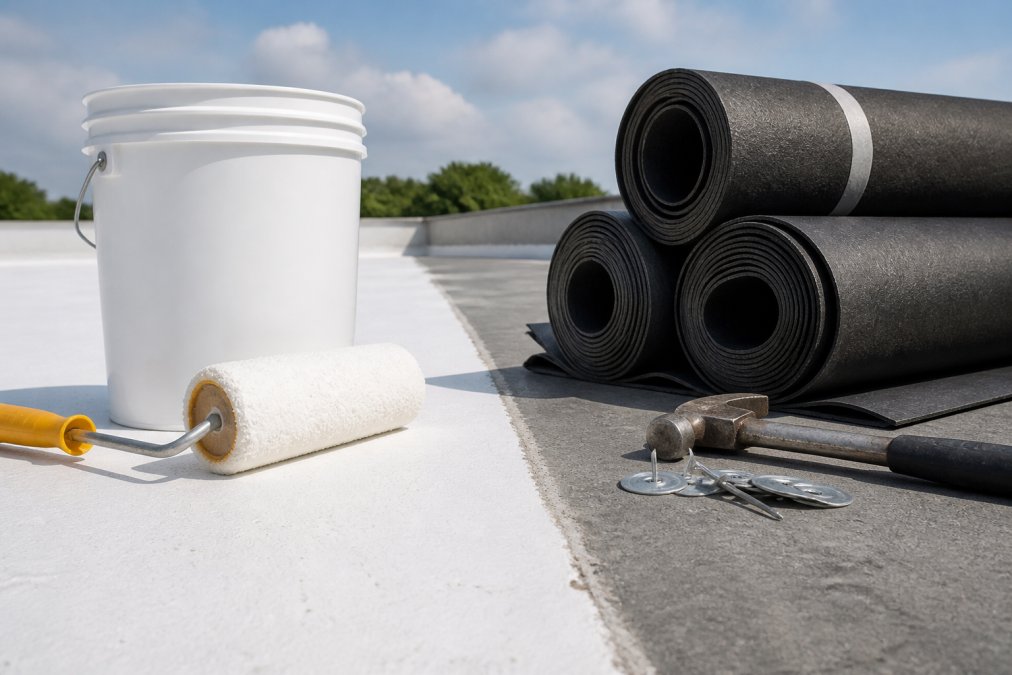
Roof coating involves applying a liquid-applied or sheet-applied protective membrane directly over your existing roof assembly. This approach preserves the current substrate and adds a weatherproofing layer that reflects UV radiation and resists thermal shock. Full replacement, by contrast, removes the entire roof structure down to the deck, disposes of all old materials, and installs a completely new roofing system from the substrate up.
The choice between roof coating vs full replacement depends on three factors: your substrate's structural integrity, your budget constraints, and how long you need the roof to perform. A coating works best when your existing roof structure is sound but showing early signs of deterioration. Replacement becomes necessary when structural damage, repeated moisture infiltration, or building code violations make restoration impossible.
Cost Comparison: Coating vs. Replacement
The upfront investment for a roof coating is substantially lower than a full tear-off and replacement. Coating projects require less labor-intensive work, no disposal costs for old materials, and faster installation timelines. You're not removing anything, you're adding a protective layer on top of what's already there.
Full replacement, conversely, involves significant capital expenditure. You must pay for labor to strip the old roof, haul away landfill waste, dispose of the old materials properly, and then install entirely new roofing materials and assembly components. The substrate preparation alone can reveal hidden damage that increases costs further.
However, if your roof has already reached the end of its design life, a coating is temporary, you'll eventually need replacement anyway, meaning you pay twice.
The real financial question isn't which option costs less today. It's which option delivers better ROI over the next 10-20 years. A coating on a structurally sound roof can be economical. A coating on a failing substrate wastes money.
Lifespan and Durability Expectations
Most roof coatings provide 5-15 years of service life extension, but coating type, substrate material, climate exposure, and application quality determine whether it lasts or fails prematurely.
Coating Chemistry and Substrate Compatibility
Acrylic coatings last 5-10 years on porous substrates but perform poorly on glossy surfaces. Silicone membranes extend to 10-15 years with excellent UV resistance but require meticulous surface prep. Polyurethane coatings offer 8-12 years and superior flexibility but are moisture-sensitive during application.
Critical mismatches occur when coating chemistry is incompatible with the substrate, for example, acrylic on silicone membranes fails within 2-3 years, and polyurethane on wet substrates blisters and peels prematurely.
Common Coating Failure Modes
Common coating failure mechanisms include:
- Adhesion loss: Coating separates from substrate due to poor prep, incompatible chemistry, or substrate movement (typically within 3-5 years).
- Ponding water and UV degradation: Flat roofs with poor drainage experience accelerated UV breakdown and moisture entrapment.
- Thermal shock and cracking: Poor ventilation and thermal cycling cause stress cracks the coating cannot accommodate.
- Substrate deterioration: Active deterioration (rotting wood, corroding metal, moisture damage) continues beneath the coating, causing eventual delamination.
- Improper maintenance: Debris, algae, and unrepaired punctures allow water infiltration and accelerate failure.
A full replacement provides a fresh service life cycle with no substrate liability. New asphalt shingles last 15-25 years; metal roofing exceeds 40-50 years; membrane systems offer 20-30 years. A new roof starts with a sound deck, proper ventilation, and compatible materials, eliminating hidden moisture problems and substrate decay risk.
A coated roof requires ongoing inspections and touch-ups; premature failure requires complete removal before recoating. If your substrate is already compromised by moisture, decay, or thermal stress, a coating will fail prematurely, you're masking a failing system. Full replacement removes that liability and provides predictable long-term service life.
Commercial Roof Restoration Cost and ROI
A roof coating reduces immediate capital expenditure and keeps buildings operational without tear-off downtime, costing 30-50% less than replacement. However, ROI deteriorates if applied to a failing roof, you'll face replacement costs anyway, plus wasted coating investment. Best ROI occurs on structurally sound roofs with visible weathering or early-stage deterioration.
Does Roof Restoration Increase Commercial Property Value
Roof restoration can improve property value by 2-5%, but only if it masks no deeper problems. Buyers and appraisers discover coatings on deteriorating substrates, which decreases property value due to hidden repair costs. Full replacement justifies higher value increases because it represents a completely new system. For commercial properties, roof condition impacts insurance premiums, financing terms, and tenant confidence.
Roof Restoration vs. Replacement Insurance Coverage
Insurance companies evaluate roof condition based on age, maintenance history, and structural integrity. But the decision to coat versus replace has profound implications for your coverage, premiums, and claim outcomes that most property owners don't understand until they file a claim.
How Insurers Assess Coating vs. Replacement
Insurers consider roofs beyond 20 years old at elevated risk (How Your Roof Influences Your Home and Business Insurance). When you apply a coating to an aging roof, insurers assess whether it's a legitimate life-extension measure or cosmetic fix. If applied to a sound substrate, most insurers maintain standard coverage. If applied to a deteriorating roof, they may reduce coverage limits, increase deductibles to 10-15%, exclude coating damage, require more frequent inspections, or deny renewal.
Full replacement typically improves your insurance position immediately. Insurers often reduce premiums by 5-15% after replacement because weather-resistance and structural integrity are at their highest point. Some carriers offer premium discounts for roofs less than 10 years old, which can offset replacement costs over time.
Claim Handling: Coating vs. Replacement Damage
When filing a claim after storm damage, insurers determine whether damage is to the coating or underlying structure. If the coating failed but substrate remains intact, claims may be denied as a maintenance issue. If damage extends to the roof assembly, insurers investigate whether coating failure allowed water penetration and may deny claims on those grounds. With full replacement, claim handling is straightforward, no pre-existing condition disputes.
Premium Impact and Long-Term Financial Model
The financial implications of coating versus replacement can vary significantly. While coating may seem less expensive initially, it's crucial to consider the long-term costs, including potential increases in deductibles or premiums, and the risk of claim denials. Full replacement, though a larger upfront investment, can sometimes lead to premium reductions and avoids many of the risks associated with coated roofs.
Building Code and Insurance Compliance
Some jurisdictions require roof replacement at specific intervals or after damage exceeds a certain percentage. A coating won't satisfy code compliance. Some insurers require cool roof standards (ASTM C1549 or ENERGY STAR); coatings can meet these if the right product is selected, but replacement with cool-roof materials provides better long-term compliance and may unlock additional premium reductions.
Warranty and Subrogation Rights
When you apply a coating, the coating manufacturer typically provides a warranty (5-15 years, depending on the product). If the coating fails prematurely and causes water damage, your insurer may subrogate against the coating manufacturer to recover claim costs.
The Insurance Decision Framework
- Will a coating on my current roof affect my coverage or premiums?
- What is the insurer's position on claims to coated roofs?
- Would a full replacement qualify for a premium discount?
- Does my local building code require replacement at a specific age or damage threshold?
- Does the insurer require cool-roof compliance, and does my coating option meet those standards?
Structural Integrity, Substrate Condition, and Building Code Compliance
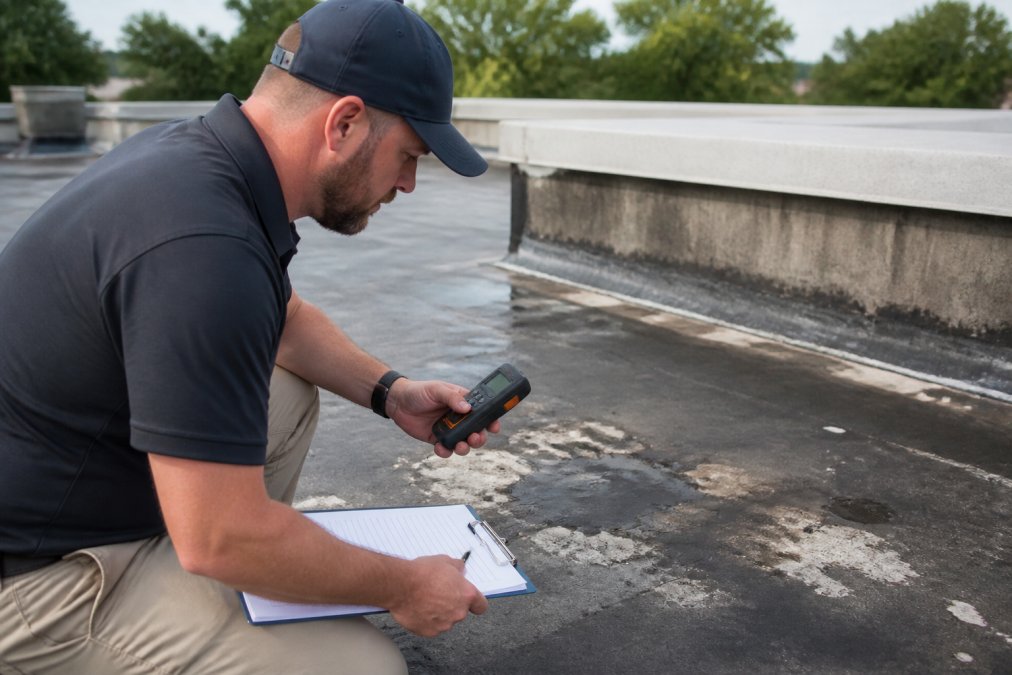
The decision between coating and replacement hinges entirely on substrate condition. Before any coating is applied, the existing roof must be inspected for structural damage, moisture infiltration, rot, or decay. If the substrate is compromised, a coating will fail prematurely because it cannot adhere properly or prevent moisture from continuing to damage the underlying structure.
How to Decide: Coating or Full Replacement
Ask these questions:
Is the substrate structurally sound? If moisture damage, rot, or decay is present, coating won't fix it. You need replacement.
| Decision Factor | Coating Works Best | Replacement Is Necessary |
|---|---|---|
| Substrate condition | Sound, no moisture damage | Compromised, deteriorating, or wet |
| Remaining service life | 50%+ of design life remaining | Near or past end of service life |
| Budget constraint | Limited capital available | Can invest in long-term solution |
| Timeline | Need quick, minimal-disruption solution | Can tolerate installation downtime |
| Building code | Current codes satisfied | Codes require replacement |
| Long-term planning | 5-10 year extension acceptable | 20+ year solution needed |
Frequently Asked Questions
How long does a roof coating last compared to a new roof?
A roof coating typically extends the service life of an existing roof by 5-10 years, depending on climate and maintenance. A full replacement provides 15-25+ years of protection with a new membrane system. Coatings work best on structurally sound roofs; if the substrate is compromised, a replacement offers longer-term durability and better weatherproofing against moisture infiltration and thermal shock.
What's the difference in cost between roof coating and full replacement?
Roof coating is typically a lower upfront investment compared to a full tear-off and replacement. However, replacement eliminates disposal costs and avoids future re-coating cycles. Pricing depends on roof size, substrate condition, labor accessibility, and local market rates. Get a detailed quote from a professional to compare your specific situation.
Does a roof coating qualify as a full roof replacement for insurance purposes?
No. Insurance typically classifies roof coating as a restoration or maintenance service, not a replacement. A full tear-off and replacement is what insurers recognize as re-roofing. This distinction matters for claims; if your policy covers replacement due to storm damage, a coating alone may not satisfy that coverage. Review your policy and discuss your options with your insurer before deciding.
What signs indicate I need a full replacement instead of a coating?
Replace your roof if you see widespread leaks, sagging sections, exposed decking, rotted wood, significant ponding, or extensive membrane damage. If the substrate lacks structural integrity, a coating won't solve the problem. Also consider replacement if your roof is near the end of its design life (15+ years) or if building code compliance requires it. A professional inspection identifies whether the roof can support a coating or needs replacement.
When your roof is failing, the decision between restoration and full replacement shouldn't be made on price alone. At Leak Remedy, we conduct detailed inspections to assess your roof's true condition and recommend the solution that protects your property long-term. Our team works directly with insurance companies to streamline the claims process and ensure you get the coverage you deserve. Contact us for a free inspection and quote to understand your best path forward.